
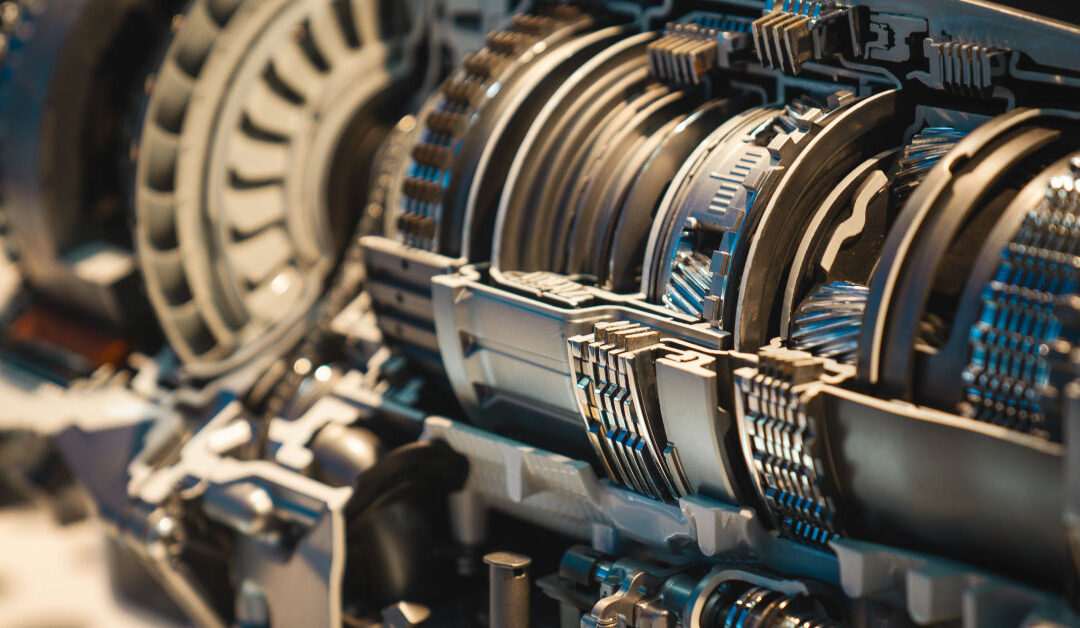
Transmission service is one of the most important forms of vehicle maintenance, yet it is often delayed until problems become impossible to ignore. Your transmission controls how power is delivered to your wheels, and when it is not properly maintained, even minor wear can escalate into expensive repairs. We emphasize preventive care because a well-maintained transmission keeps your vehicle reliable, smooth, and safe. Many drivers assume that if the car still shifts, everything must be fine. Transmission issues often develop quietly. Routine maintenance helps catch problems early, protects internal components, and reduces long-term repair costs.
What Happens During a Transmission Service?
Proper service involves more than transmission fluid replacement. Heat and friction break down fluid, reducing its ability to lubricate and cool. The service includes inspection, fluid evaluation, and operational checks.
A standard transmission service may include:
- Inspecting transmission fluid color, smell, and contamination
- Checking for leaks around seals, lines, and the transmission pan
- Replacing filters when applicable
- Verifying correct fluid levels and pressure
- Identifying early signs of internal wear
Modern transmissions rely on precise pressure and electronic controls. Even slightly degraded fluid affects shifting and acceleration. Clean fluid is crucial for longevity.
When Should Transmission Service Be Scheduled?
Most manufacturers recommend servicing a transmission every 30,000 to 60,000 miles, but this varies by vehicle and driving habits. Vehicles used for towing, stop-and-go traffic, or frequent short trips often require service sooner.
Warning signs that service may be needed include:
- Delayed or rough shifting
- Slipping between gears
- Unusual whining or clunking noises
- Burning smells caused by overheated fluid
- Warning lights, such as the check engine indicator
Even without symptoms, routine maintenance prevents damage. Waiting for issues increases the risk and cost of failure.
Why Is Delaying Transmission Service Risky?
Transmission repairs are among the most expensive. Internal damage can never be fixed with just fluid replacement. When clutches, seals, or valve bodies fail, fixes become complex and costly.
Consistent transmission service helps:
- Reduce internal heat buildup.
- Prevent metal-on-metal friction.
- Extend the lifespan of internal components.
- Improve fuel efficiency
- Lower the risk of unexpected breakdowns.
The Brooks Auto Doctor Difference
At Brooks Auto Doctor, transmission service begins with a thorough evaluation of your vehicle, driving habits, and service history. Our ASE-certified technicians follow manufacturer guidelines while adjusting recommendations to real-world conditions.
We prioritize transparency. You’ll get clear explanations, honest advice, and service options tailored to your needs. Transmission care integrates with overall vehicle health, as cooling, engine performance, and electronics affect transmission function.
Long-Term Benefits of Routine Service
Regular service for your transmission ensures smooth shifting, supports performance, and protects your investment.
Benefits include:
- Smoother acceleration and gear changes
- Improved drivability and responsiveness
- Increased vehicle lifespan
- Higher resale value with documented maintenance
- Greater peace of mind on the road
Keep Your Vehicle Reliable
Transmission service is not optional maintenance. It is essential to the care of one of the most complex systems in your vehicle. Whether you drive a daily commuter, a family vehicle, or a work truck, staying ahead of transmission wear helps you avoid unexpected repairs and downtime.
Don’t wait! Schedule a transmission inspection with Brooks Auto Doctor today to ensure your vehicle stays reliable for years to come.