
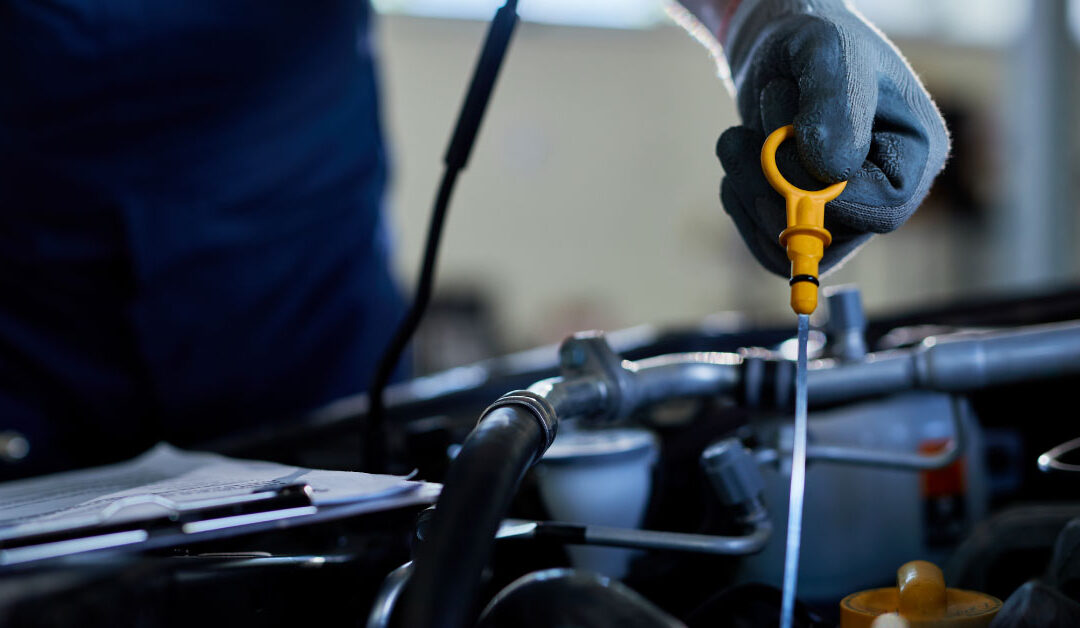
How Often Should You Change Your Oil?

How Often Should You Change Your Oil?

Most drivers know oil is important, but how often should you change your oil? Waiting too long can lead to decreased engine performance, higher fuel consumption, and serious damage. At Brooks Auto Doctor, we help vehicle owners maintain their cars for long-term reliability and smooth operation.

Engine oil is more than a lubricant. It reduces friction, absorbs heat, and helps prevent harmful deposits. Over time, heat, pressure, and contaminants break down oil and decrease its effectiveness. If oil is not changed on schedule, engine components can wear prematurely, leading to significant repairs or engine failure.


Why Service Frequency Matters

The old “every 3,000 miles” rule is outdated. Modern vehicles and improved oils allow longer intervals between changes. Many cars can go 5,000 to 7,500 miles on conventional oil, and some synthetic oils may last up to 10,000 miles. However, the exact schedule depends on several factors:

  • Vehicle make and model
  • Type of oil (synthetic or conventional)
  • Driving conditions and habits
  • Engine age and mileage

Your owner’s manual is the best place to start. Professional advice can help customize a maintenance schedule for your driving style.


Signs Your Car Needs an Oil Change

Loss of Seal Conditioners:
Modern engine oil contains additives that help keep seals and gaskets soft and flexible. Over time, these additives break down and are depleted, which can cause seals to shrink or become brittle. When this happens, the engine is more likely to develop leaks and other mechanical problems that require professional attention.

Oil Acidification and Contamination:
When oil is left in the engine too long, moisture, fuel residue, and soot can build up and make the oil acidic. This dirty, acidic oil gradually damages the elasticity of seals and gaskets, increasing the risk of leaks and reduced engine performance. Regular service helps prevent this type of deterioration and keeps the engine properly protected.


Driving Conditions That Change Oil Life

Not all miles are equal. Some conditions cause oil to break down faster and require more frequent changes:

  • Short trips where the engine never fully warms up
  • Heavy stop-and-go city traffic
  • Towing or carrying heavy loads
  • Extreme temperatures, hot or cold
  • Frequent idling

These conditions put extra stress on the engine, making scheduled regular service essential.


Synthetic vs Conventional Oil

The type of oil you use affects how often it should be changed.
Conventional oil degrades more quickly and requires more frequent changes.
Synthetic oil resists breakdown, maintains viscosity longer, and handles high heat better, allowing longer intervals between changes. Even synthetic oil eventually needs to be replaced to maintain peak engine protection. Brooks Auto Doctor uses only top-shelf synthetic oil to ensure your car is running at maximum efficiency at all times.


Benefits of Regular Vehicle Service

Scheduled maintenance does more than prevent engine damage. It helps maintain fuel efficiency, improve performance, and extend the life of critical engine components such as pistons, valves, and bearings. Drivers who maintain consistently typically experience fewer unexpected breakdowns and better overall reliability.
At Brooks Auto Doctor, our technicians provide expert inspections, fluid checks, and high-quality service customized for your vehicle.


Trust the Experts

So, how often should you change your oil? In our decades of experience, we’ve determined the magic number is generally every 5,000 miles. Brooks Auto Doctor integrates professional inspections with manufacturer guidelines to provide a maintenance plan tailored specifically to your car.

Keeping up with regular maintenance is a simple but essential step to protect your investment. With regular service, your engine runs smoother, lasts longer, and performs efficiently. Schedule your next vehicle service with Brooks Auto Doctor and rest assured your car is well cared for.


When Do I Need to Get Transmission Service?

When Do I Need to Get Transmission Service?

Transmission service is one of the most important forms of vehicle maintenance, yet it is often delayed until problems become impossible to ignore. Your transmission controls how power is delivered to your wheels, and when it is not properly maintained, even minor wear can escalate into expensive repairs. We emphasize preventive care because a well-maintained transmission keeps your vehicle reliable, smooth, and safe. Many drivers assume that if the car still shifts, everything must be fine. Transmission issues often develop quietly. Routine maintenance helps catch problems early, protects internal components, and reduces long-term repair costs.


What Happens During a Transmission Service?

Proper service involves more than transmission fluid replacement. Heat and friction break down fluid, reducing its ability to lubricate and cool. The service includes inspection, fluid evaluation, and operational checks.

A standard transmission service may include:

  • Inspecting transmission fluid color, smell, and contamination
  • Checking for leaks around seals, lines, and the transmission pan
  • Replacing filters when applicable
  • Verifying correct fluid levels and pressure
  • Identifying early signs of internal wear

Modern transmissions rely on precise pressure and electronic controls. Even slightly degraded fluid affects shifting and acceleration. Clean fluid is crucial for longevity.


When Should Transmission Service Be Scheduled?

Most manufacturers recommend servicing a transmission every 30,000 to 60,000 miles, but this varies by vehicle and driving habits. Vehicles used for towing, stop-and-go traffic, or frequent short trips often require service sooner.

Warning signs that service may be needed include:

  • Delayed or rough shifting
  • Slipping between gears
  • Unusual whining or clunking noises
  • Burning smells caused by overheated fluid
  • Warning lights, such as the check engine indicator

Even without symptoms, routine maintenance prevents damage. Waiting for issues increases the risk and cost of failure.


Why Is Delaying Transmission Service Risky?

Transmission repairs are among the most expensive. Internal damage can never be fixed with just fluid replacement. When clutches, seals, or valve bodies fail, fixes become complex and costly.

Consistent transmission service helps:

  • Reduce internal heat buildup.
  • Prevent metal-on-metal friction.
  • Extend the lifespan of internal components.
  • Improve fuel efficiency
  • Lower the risk of unexpected breakdowns.


The Brooks Auto Doctor Difference

At Brooks Auto Doctor, transmission service begins with a thorough evaluation of your vehicle, driving habits, and service history. Our ASE-certified technicians follow manufacturer guidelines while adjusting recommendations to real-world conditions.

We prioritize transparency. You’ll get clear explanations, honest advice, and service options tailored to your needs. Transmission care integrates with overall vehicle health, as cooling, engine performance, and electronics affect transmission function.


Long-Term Benefits of Routine Service

Regular service for your transmission ensures smooth shifting, supports performance, and protects your investment.

Benefits include:

  • Smoother acceleration and gear changes
  • Improved drivability and responsiveness
  • Increased vehicle lifespan
  • Higher resale value with documented maintenance
  • Greater peace of mind on the road


Keep Your Vehicle Reliable

Transmission service is not optional maintenance. It is essential to the care of one of the most complex systems in your vehicle. Whether you drive a daily commuter, a family vehicle, or a work truck, staying ahead of transmission wear helps you avoid unexpected repairs and downtime.

Don’t wait! Schedule a transmission inspection with Brooks Auto Doctor today to ensure your vehicle stays reliable for years to come.