Brake Fluid Warning Signs Every Driver Should Know
Your vehicle relies on several systems to keep you safe, but few are as important as your brakes. At the center of that system is brake fluid, a component many drivers rarely think about. Understanding how it works and when it needs attention can make a major difference to your road safety.
Brake fluid is a hydraulic fluid that transfers the force from your foot on the brake pedal to the braking components at each wheel. Without it, your brakes simply would not function. Over time, brake fluid is hygroscopic, meaning it absorbs moisture from the environment. This moisture contamination can reduce its effectiveness and cause corrosion within the braking system. Keeping your brakes in good condition is a critical part of overall vehicle maintenance to ensure reliable stopping performance.
Why Brake Fluid Is So Important
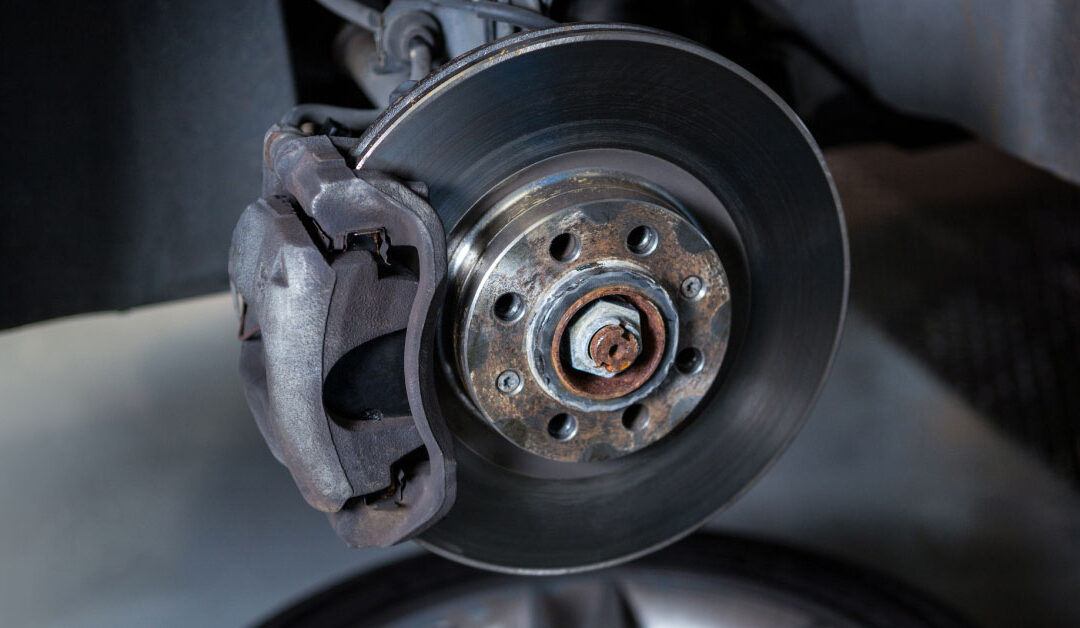
When you press the brake pedal, brake fluid moves through sealed lines, creating pressure that forces your brake pads against the rotors. This process needs to be precise and consistent every time you drive. If the fluid becomes contaminated or degraded, that pressure is reduced, and your stopping power can suffer.
Moisture is the biggest enemy of brake fluid. As it absorbs water, its boiling point drops. Under heavy braking, especially in downhill driving, the fluid can heat up. If it boils, it creates air bubbles in the system, which leads to a soft or spongy brake pedal or complete loss of braking. That can be dangerous when you need to stop quickly.
Signs Your Fluid Needs Attention
Your vehicle often gives warning signs before brake performance becomes a serious issue. Paying attention to these signals can help you address problems early:
- A soft or spongy brake pedal
- Longer stopping distances
- A brake warning light on your dashboard
- Dark or dirty fluid in the reservoir
- A burning smell after heavy braking
If you notice any of these symptoms, it is recommended to have your brake system inspected as soon as possible.
How Brake Fluid Is Evaluated
Traditionally, brake fluid was replaced every two years as a preventative measure. While that guideline remains useful, modern testing methods offer a more precise approach. Instead of relying solely on time or mileage, technicians can now determine the fluid’s actual condition.
At Brooks Auto Doctor, we use both fluid test strips and electronic moisture meters to measure contamination levels. These tools provide pass/fail results based on scientific testing methods, ensuring that your braking components are serviced only when necessary and always before they becomes a safety concern. This approach helps maintain optimal braking performance while avoiding unnecessary service.
What Happens During a Brake Fluid Service
A brake fluid service removes old fluid and replaces it with fresh fluid, restoring hydraulic pressure and reliable braking. The process also includes checking brake lines, hoses, and other parts for leaks or wear. Early detection can prevent costly repairs.
Why You Should Not Ignore Brake Fluid Maintenance
It can be easy to overlook brake fluid because it is not something you see or think about every day. However, ignoring it can lead to serious consequences. Reduced braking performance, increased component wear, and potential system failure are risks associated with neglected fluid.
Regular maintenance helps protect not only your vehicle but also everyone on the road around you. It is one of the simplest ways to ensure your braking system performs the way it should every time you press the pedal.
Stay Ahead of Brake Problems
Taking care of your brake system does not have to be complicated. Staying aware of warning signs, following recommended service intervals, and having your vehicle inspected regularly can go a long way in preventing issues.
Do not wait if you have doubts about your brakes—schedule a checkup today. The team at Brooks Auto Doctor is ready to provide honest recommendations and reliable service to help keep your car safe and performing its best.
Take the first step toward safety by maintaining your brake fluid with Brooks Auto Doctor. Schedule your inspection now and drive with confidence every time you get behind the wheel.