
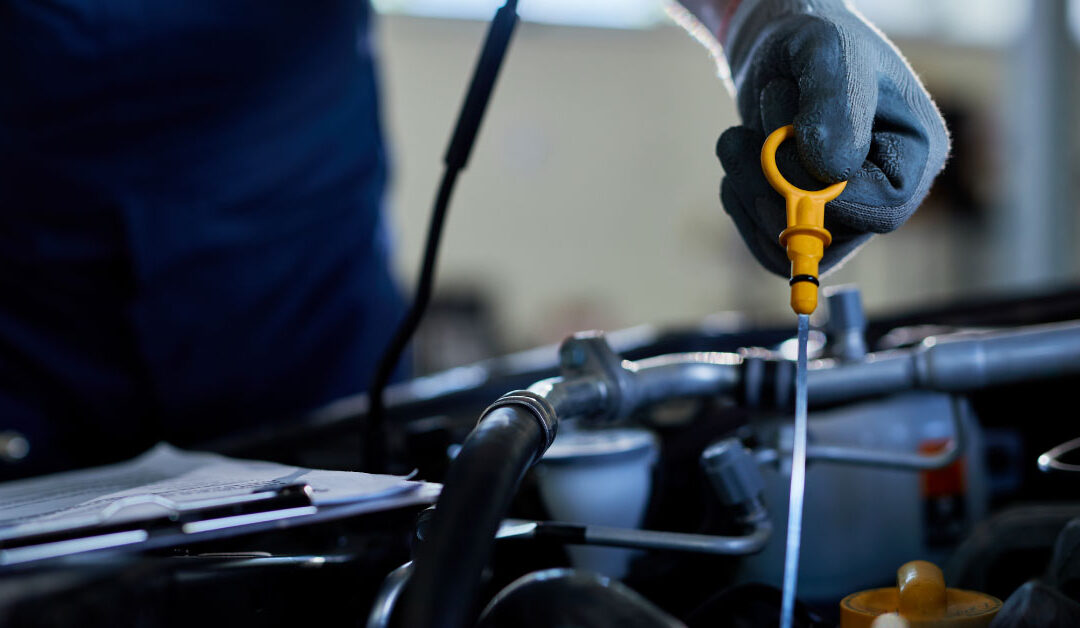
Most drivers know oil is important, but how often should you change your oil? Waiting too long can lead to decreased engine performance, higher fuel consumption, and serious damage. At Brooks Auto Doctor, we help vehicle owners maintain their cars for long-term reliability and smooth operation.
Engine oil is more than a lubricant. It reduces friction, absorbs heat, and helps prevent harmful deposits. Over time, heat, pressure, and contaminants break down oil and decrease its effectiveness. If oil is not changed on schedule, engine components can wear prematurely, leading to significant repairs or engine failure.
Why Service Frequency Matters
The old “every 3,000 miles” rule is outdated. Modern vehicles and improved oils allow longer intervals between changes. Many cars can go 5,000 to 7,500 miles on conventional oil, and some synthetic oils may last up to 10,000 miles. However, the exact schedule depends on several factors:
- Vehicle make and model
- Type of oil (synthetic or conventional)
- Driving conditions and habits
- Engine age and mileage
Your owner’s manual is the best place to start. Professional advice can help customize a maintenance schedule for your driving style.
Signs Your Car Needs an Oil Change
Loss of Seal Conditioners:
Modern engine oil contains additives that help keep seals and gaskets soft and flexible. Over time, these additives break down and are depleted, which can cause seals to shrink or become brittle. When this happens, the engine is more likely to develop leaks and other mechanical problems that require professional attention.
Oil Acidification and Contamination:
When oil is left in the engine too long, moisture, fuel residue, and soot can build up and make the oil acidic. This dirty, acidic oil gradually damages the elasticity of seals and gaskets, increasing the risk of leaks and reduced engine performance. Regular service helps prevent this type of deterioration and keeps the engine properly protected.
Driving Conditions That Change Oil Life
Not all miles are equal. Some conditions cause oil to break down faster and require more frequent changes:
- Short trips where the engine never fully warms up
- Heavy stop-and-go city traffic
- Towing or carrying heavy loads
- Extreme temperatures, hot or cold
- Frequent idling
These conditions put extra stress on the engine, making scheduled regular service essential.
Synthetic vs Conventional Oil
The type of oil you use affects how often it should be changed.
Conventional oil degrades more quickly and requires more frequent changes.
Synthetic oil resists breakdown, maintains viscosity longer, and handles high heat better, allowing longer intervals between changes. Even synthetic oil eventually needs to be replaced to maintain peak engine protection. Brooks Auto Doctor uses only top-shelf synthetic oil to ensure your car is running at maximum efficiency at all times.
Benefits of Regular Vehicle Service
Scheduled maintenance does more than prevent engine damage. It helps maintain fuel efficiency, improve performance, and extend the life of critical engine components such as pistons, valves, and bearings. Drivers who maintain consistently typically experience fewer unexpected breakdowns and better overall reliability.
At Brooks Auto Doctor, our technicians provide expert inspections, fluid checks, and high-quality service customized for your vehicle.
Trust the Experts
So, how often should you change your oil? In our decades of experience, we’ve determined the magic number is generally every 5,000 miles. Brooks Auto Doctor integrates professional inspections with manufacturer guidelines to provide a maintenance plan tailored specifically to your car.
Keeping up with regular maintenance is a simple but essential step to protect your investment. With regular service, your engine runs smoother, lasts longer, and performs efficiently. Schedule your next vehicle service with Brooks Auto Doctor and rest assured your car is well cared for.