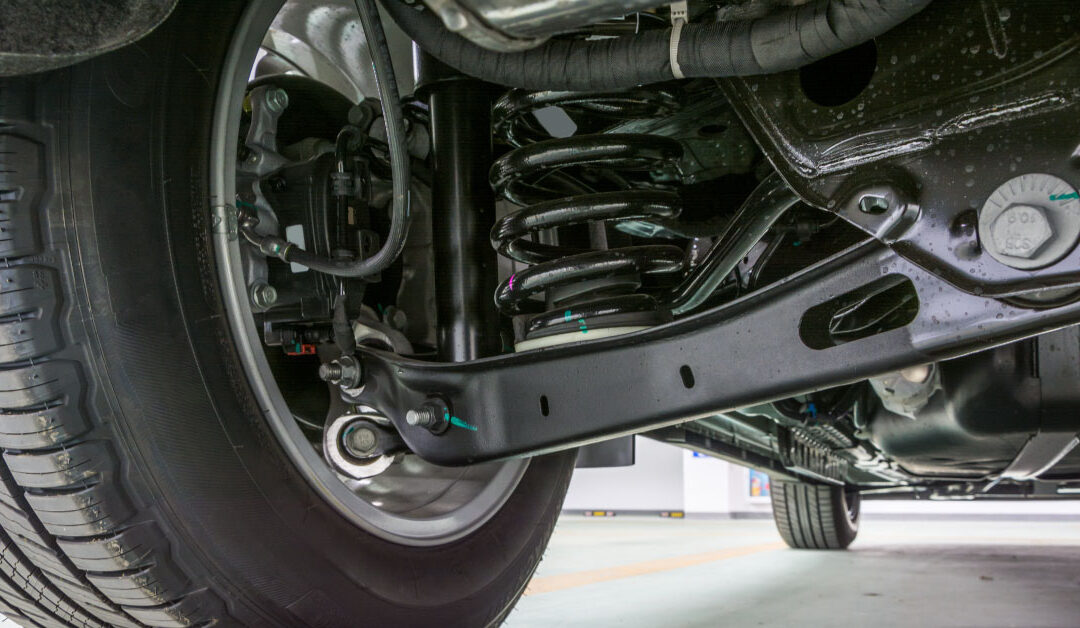
Your car suspension does far more than smooth out a bumpy ride. It plays a direct role in how well your vehicle steers, stops, and holds the road under pressure. When these components begin to wear, even gradual changes can alter how your car handles, in ways you might not immediately notice. Catching those early warning signs can save you from more serious trouble down the road.
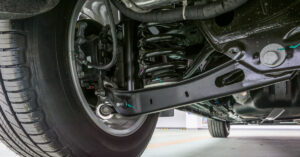
The system itself is made up of several interconnected parts: shocks, struts, springs, control arms, and bushings all work in unison. Together, they absorb road impact, help your tires maintain grip, and keep the vehicle balanced while driving. When everything is functioning the way it should, you get predictable, stable handling, whether you’re navigating a sharp curve or dealing with an unexpected obstacle.
Signs Something May Be Wrong
Suspension problems tend to develop slowly, which makes them easy to dismiss at first. Many drivers simply adapt to subtle changes in how their vehicle feels without recognizing that something has actually shifted. A few symptoms warrant closer attention.
One of the more obvious ones is excessive bouncing after hitting a pothole or rough patch of road. A vehicle should settle fairly quickly after impact. If it keeps bouncing, worn shocks or struts are often the culprit.
- Other signs that may point to a problem include:
- Drifting or pulling to one side while driving
- Uneven or accelerated tire wear
- Clunking or rattling sounds when going over bumps
- The front end dipping noticeably during braking.
- Steering that feels less precise or responsive than usual
- A generally rougher or more unsettled ride
These issues tend to become more noticeable at highway speeds or in wet conditions, when stability matters most.
Why It’s More Than a Comfort Issue
A common misconception is that car suspension problems only affect ride quality. In reality, worn components reduce how well your tires stay in contact with the road, which directly impacts traction during turns, hard braking, and low-grip conditions.
Degraded suspension can also increase stopping distances and make the vehicle feel loose or unpredictable at speed. Addressing problems early helps preserve both your safety and the condition of other connected systems.
What Accelerates Wear
Even well-cared-for vehicles will eventually wear out, since these components absorb road impact every mile you drive. Certain conditions tend to speed up the process:
- Frequently driving on rough or poorly maintained roads.
- Regular exposure to potholes and sharp impacts
- Hauling heavy loads or towing
- High accumulated mileage
- Prolonged exposure to road salt, moisture, and corrosive conditions
How Suspension Affects Your Tires
The relationship between your car suspension and your tires is closely linked. When suspension components aren’t doing their job, tires can lose consistent contact with the road surface. The result is often uneven tread wear, reduced grip, and lower fuel efficiency.
Worn shocks, for example, can cause tires to bounce rather than stay planted, creating irregular wear patterns across the tread. Some drivers go through tires more quickly than expected, unaware that the underlying issue has nothing to do with the tires themselves.
What an Inspection Involves
Having a qualified technician look over your suspension system gives you a clear picture of what’s working and what isn’t. A thorough inspection typically covers shocks, struts, springs, control arms, steering components, and bushings. Technicians also check for fluid leaks, damaged mounts, and tire wear patterns that may signal alignment or suspension concerns.
When to Have It Checked
There’s no single mileage threshold that applies to everyone, since driving conditions vary widely. That said, most experts suggest an annual inspection as a reasonable baseline, or sooner if you notice changes in handling, unusual noises, or irregular tire wear.
Putting off a minor car suspension issue often leads to larger problems. Components that wear unevenly can accelerate damage to tires, steering parts, and other nearby systems, turning a manageable repair into a much costlier one.
Keeping Your Vehicle Safe and Stable
A well-maintained suspension system keeps your vehicle comfortable and confident across a wide range of driving conditions. What starts as a small issue can quietly affect handling, braking performance, and tire life over time.
Whether something feels slightly off or you simply want reassurance before a long trip, a routine inspection is one of the more practical steps you can take to stay safe on the road.