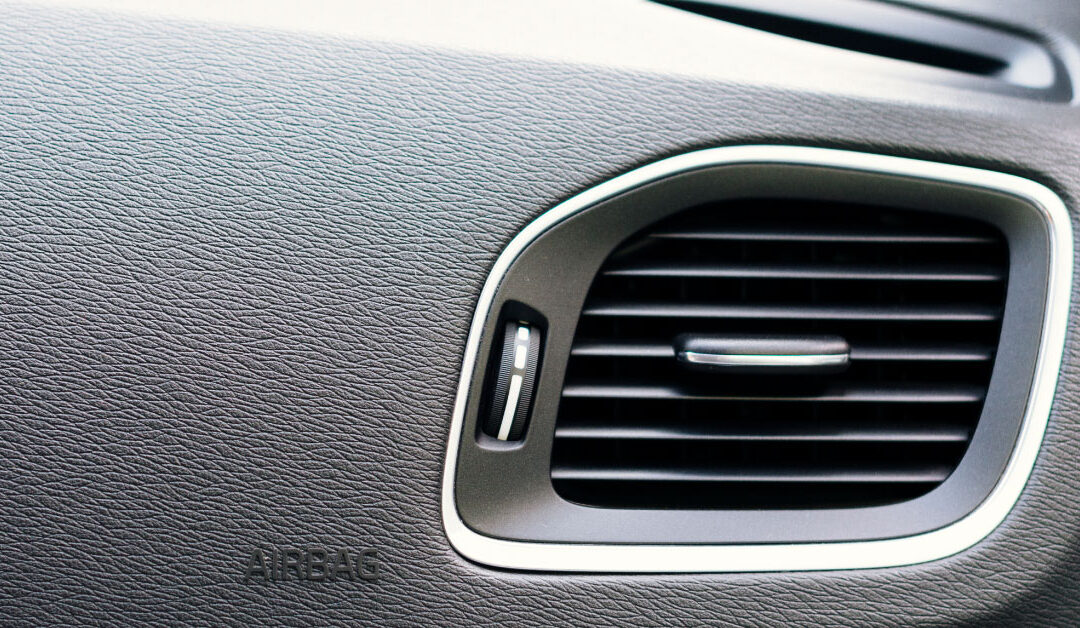
Your cabin air filter is one of those things that quietly does its job every single time you turn the key, but rarely gets any credit. Most drivers stay on top of oil changes and tire rotations without ever giving this little filter a second thought. That’s a shame, because it’s responsible for the air you and your passengers are breathing every time you’re on the road. It catches dust, pollen, dirt, and all kinds of airborne junk before it ever reaches you inside the vehicle.
The problem is that filters don’t last forever. As debris builds up over time, airflow through your heating and air conditioning system starts to suffer. That means reduced comfort, weaker airflow from your vents, and a system that has to work harder than it should.
What Does a Cabin Air Filter Actually Do?
Every bit of outside air that enters your vehicle through the HVAC system passes through the cabin air filter first. That filter traps contaminants like dust, pollen, mold spores, and road debris before they can circulate through the passenger compartment.
For anyone who deals with seasonal allergies or breathing problems, a clean filter makes a noticeable difference. Without it doing its job properly, those particles end up blowing right out of your vents.
What surprises most people is how much can accumulate in there. Leaves, insects, dirt, and microscopic particles build up faster than you’d think, especially during high-pollen seasons or after driving through dusty conditions.
Signs Your Filter May Need to Be Replaced
A clogged cabin air filter usually doesn’t trigger any warning light on your dashboard. The symptoms tend to creep up gradually, which is part of why this maintenance item gets overlooked so often.
Here are the most common signs to watch for:
- Noticeably weaker airflow from the vents
- A musty or stale smell inside the vehicle
- More dust than usual collecting on interior surfaces
- Windows fogging up more frequently
- Your heater or air conditioner taking longer to do its job
- Allergy symptoms that seem worse when you’re driving
If any of these sound familiar, it’s worth having the filter checked at your next service appointment.
How Often Should You Change It?
There’s no single answer that fits every driver. Most manufacturers suggest replacing the cabin air filter somewhere between 15,000 and 30,000 miles, but that number can shift depending on where and how you drive.
If you spend time on gravel roads, near construction sites, or in places with poor air quality, your filter is working overtime and will need attention sooner. The same goes for drivers within areas with heavy seasonal pollen. In Oregon, we have a high pollen count combined with seasonal smoke and high humidity content. This creates a unique challenge to cabin filters in our area. In our experience, most cabin filters in our area are due for service every 18 months or approximately every 18,000 miles. Mileage alone doesn’t tell the full story, which is why a visual inspection is often the most reliable way to know when it’s time.
Can a Dirty Filter Hurt Your HVAC System?
It can, and this is something a lot of drivers don’t realize. When a clogged filter restricts airflow, the blower motor has to work harder to push air through the vents. That added strain over time can wear on HVAC components faster than normal.
Beyond wear and tear, a restricted filter just makes the system less effective. Your air conditioning may struggle to cool the cabin on a hot day, and in winter, you might notice slower defrosting and less heat output overall. Swapping out a clogged filter is one of the easiest ways to help your climate control system run the way it should.
Seasons Take a Toll
The time of year has a real impact on how quickly a cabin air filter gets dirty. Spring brings heavy pollen counts that can clog a filter surprisingly fast. Summer road construction kicks up dust and debris. Fall sends leaves and organic material into ventilation systems. And if you spend a lot of time sitting in heavy traffic, you’re getting more exposure to exhaust and pollutants than the average driver.
Because conditions change throughout the year, your filter’s condition can deteriorate faster than you’d expect between service visits.
Make It Part of Your Routine
Filter replacement is easy to put off because the symptoms build gradually. By the time airflow feels noticeably weak, the filter may already be well past due.
The optimal method is to have it checked during routine maintenance visits. A trusted technician can take a look and give you an honest assessment of whether it still has life in it or needs to come out. It takes a minute to inspect, and it saves you from dealing with bigger issues down the road.
A Small Part That Works Hard
The cabin air filter doesn’t get much attention because it’s tucked out of sight, but it’s working on every single drive. Keeping up with it supports maintaining proper airflow, supports your HVAC system, and keeps the air in your vehicle cleaner for everyone inside.
If it’s been a while since the last check, bring it up at your next service visit. Keeping ahead of small maintenance items like this is almost always easier than dealing with the consequences of ignoring them.