
Imported vehicles tend to pack in more advanced engineering than people expect, and that means the maintenance playbook isn’t always the same as what works on a typical American sedan.
Why Imports Need a Different Approach
Every car needs oil changes and brake checks, sure. But import vehicles often run tighter tolerances, more complex electronics, and manufacturer-specific systems that a generalist shop might not be set up to handle well. Skip a recommended fluid or swap in the wrong part, and you might not notice a problem right away. Six months later, though, you could be dealing with a much bigger repair bill.
A specialized technician who works on imports regularly will know the fluid specs, the service intervals, and the quirks that come with each brand. That familiarity is worth seeking out.
Small Services Prevent Big Problems
Preventive maintenance is still the cheapest repair you’ll ever pay for. Here’s what tends to matter most:
- Oil and filter changes on schedule
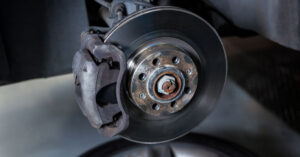
- Brake inspections before pads wear down to metal
- Tire rotations and alignment checks
- Cooling system flushes
- Transmission fluid service
- Battery testing, especially before summer and winter
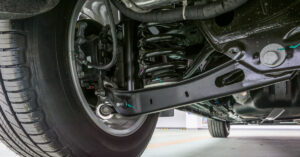
- Suspension checks for worn bushings or leaking struts
None of these are exciting, but staying on top of them is how a car makes it past 150,000 miles without drama.
Signs Something’s Off
Import vehicles are usually pretty good about telling you when something’s wrong, if you’re paying attention. Watch for a dashboard warning light that won’t clear, an engine noise that wasn’t there last week, rough or hesitant shifting, vibration at highway speeds, a noticeable drop in fuel economy, a leak in the driveway, or a car that’s suddenly harder to start. Any one of these is worth a look before it turns into something more expensive.
Parts Quality Isn’t Optional
This is where a lot of import auto repair goes right or wrong. Because these vehicles are engineered with tighter tolerances, using the wrong part, even one that technically “fits,” can cause premature wear or a repeat failure. OEM parts or equivalent premium alternatives are generally the safer bet because they’re built to the manufacturer’s actual spec, not just a close approximation.
Diagnostics Have Gotten More Complicated
Modern import vehicles run onboard computer systems that track everything from engine timing to safety sensors. Diagnosing an issue accurately now usually requires manufacturer-level scan tools and current software, not just a generic code reader. Guessing at repairs by swapping parts one at a time wastes time and money. A proper diagnostic finds the actual cause first.
Finding a Shop You Can Trust
Look for a shop with real experience across import brands, not just one or two. Ask whether they invest in updated diagnostic equipment, and pay attention to whether they explain what they’re recommending and why. A shop that walks you through an inspection before starting work is one that respects your time and your budget.
Brooks Auto Doctor is a good example of the kind of import-focused shop worth having in your corner, whether you need routine maintenance or something more involved.
The Bottom Line
Your import vehicle was built to last, but getting there depends on how it’s maintained along the way. Staying current on factory-recommended service, addressing small issues before they grow, and working with technicians who actually know import auto repair will save you money and headaches down the road. A little prevention now beats a major breakdown later, every time.