A car battery is easy to forget about until you’re running late and the engine won’t turn over. Maybe you noticed a slow start earlier in the week. Maybe everything seemed fine yesterday. Either way, now you’re looking for jumper cables instead of getting where you need to go.
You can’t predict every battery failure, but regular car battery maintenance can help you catch some problems early. Knowing the battery’s age, paying attention to how your car starts, and having it tested when something feels off are good places to begin.
How Long Does a Car Battery Last?
Most traditional car batteries last about three to five years. Some last longer; others wear out sooner. Where you drive, how often you drive, and the conditions under the hood all play a part.
Short trips can be hard on a battery. Starting the engine uses a fair amount of power, and a five-minute drive may not give the alternator enough time to replenish it. If most of your driving consists of quick errands close to home, your battery may spend a lot of time partially charged.
Leaving lights on, running accessories with the engine off, and letting the car sit for weeks can also drain it. Heat and charging system problems can shorten its life, too.
If you have no idea when your battery was installed, check for a service sticker or date code. At your next maintenance visit, ask a technician to check its age and condition.
Signs Your Battery Needs Attention
Has your engine started turning over more slowly? Don’t brush it off just because the car eventually starts. A change in starting behavior is worth checking, especially if it happens more than once.
Watch for these signs:
- Slow cranking. The engine sounds sluggish when you try to start it.
- Dim lights. Headlights or interior lights look weaker than usual, particularly during startup.
- Electrical problems. Dashboard displays, power windows, or other accessories work inconsistently.
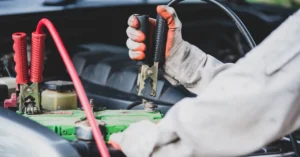
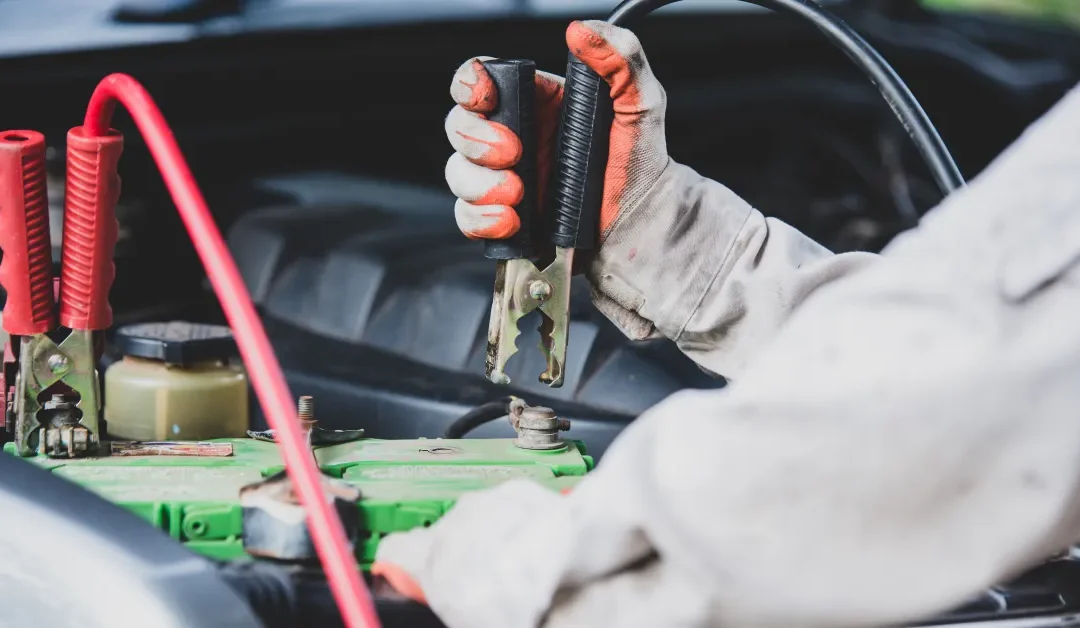
- Frequent jump-starts. If you keep reaching for the jumper cables, have the battery and charging system tested.
- An illuminated battery light. This can indicate a charging system problem, even if the car still runs.
- Corrosion or damage. Heavy buildup at the terminals, leaking, or a swollen battery case needs attention.
A weak battery isn’t the only possible cause. A loose connection or failing alternator can produce similar symptoms. An inspection can help you avoid replacing a battery that wasn’t causing the trouble.
Everyday Habits That Help Your Battery
Car battery maintenance doesn’t require much day-to-day effort. Start by checking that your lights are off when you park, especially if you’ve turned them on manually. Avoid sitting for long periods with the engine off while using the stereo or other electrical accessories.
If you drive infrequently, remember that a parked car still uses some power. Alarms and onboard electronics can continue drawing electricity after you shut the engine off. Given enough time, that can leave the battery without enough charge to start the car.
Planning to leave your vehicle parked for several weeks? Check your owner’s manual for storage recommendations. Depending on the vehicle, an appropriate battery maintainer may help keep it charged.
It’s also worth asking about a battery test during routine service. This becomes more useful as the battery gets older, even if you haven’t noticed a starting problem yet.
Why Battery Problems Often Show Up in Winter
A battery that worked through the fall can struggle on the first cold morning. Cold temperatures reduce its ability to deliver power, while the engine needs more effort to turn over. That combination can reveal a battery that was already getting weak.
Summer heat takes a toll as well. High temperatures can speed up deterioration inside the battery and contribute to fluid loss in some battery designs. The damage may happen during hot weather, even though you don’t notice a problem until temperatures drop.
If your battery is getting older, having it tested before winter can save you an inconvenient surprise. The same goes for a battery that has been slow to start after a hot summer.
Check the Connections, Too
Sometimes the problem is where the battery connects to the car. Corrosion around the terminals or a loose cable can interrupt the flow of electricity and cause starting trouble that comes and goes.
During an inspection, a technician can check the terminals, cables, and hardware that holds the battery in place. The battery should sit securely; excessive movement can damage the case or strain its connections.
If you notice leaking, a swollen case, or heavy corrosion, have a professional take a look. Batteries contain corrosive materials and can release flammable gas, so a damaged battery needs careful handling.
What If a New Battery Keeps Going Flat?
A new battery should prompt a closer look if it repeatedly loses its charge. Replacing it again may get the car started, but it won’t solve a fault elsewhere in the system.
The alternator might not be charging properly. A cable or connection could be damaged. There may also be an electrical component drawing too much power while the vehicle is parked.
Tell your technician when the problem happens. Does the car struggle after sitting overnight, or only after several days? Have you needed a jump shortly after driving? Those details can help guide the diagnosis.
When Should You Have Your Battery Tested?
Schedule a test if your car is cranking slowly, needs repeated jump-starts, or keeps losing its charge. There’s little benefit in waiting to see whether the next start will be the one that leaves you stuck.
Testing is also a reasonable step before a long road trip or when an older battery is heading into another winter. Its age gives you a rough idea of what to expect, but a test provides a clearer picture of its condition.
Have Starting Problems Checked Before They Get Worse
You know how your car usually sounds when it starts. If that changes, pay attention. A slower crank or an occasional need for a jump is enough reason to have it checked.
For help with car battery maintenance, contact Brooks Auto Doctor. We can inspect your battery and charging system, explain what we find, and help you decide what needs attention. Schedule an appointment if your car has been slow to start or you’re unsure how much life your battery has left.